
Quick Summary
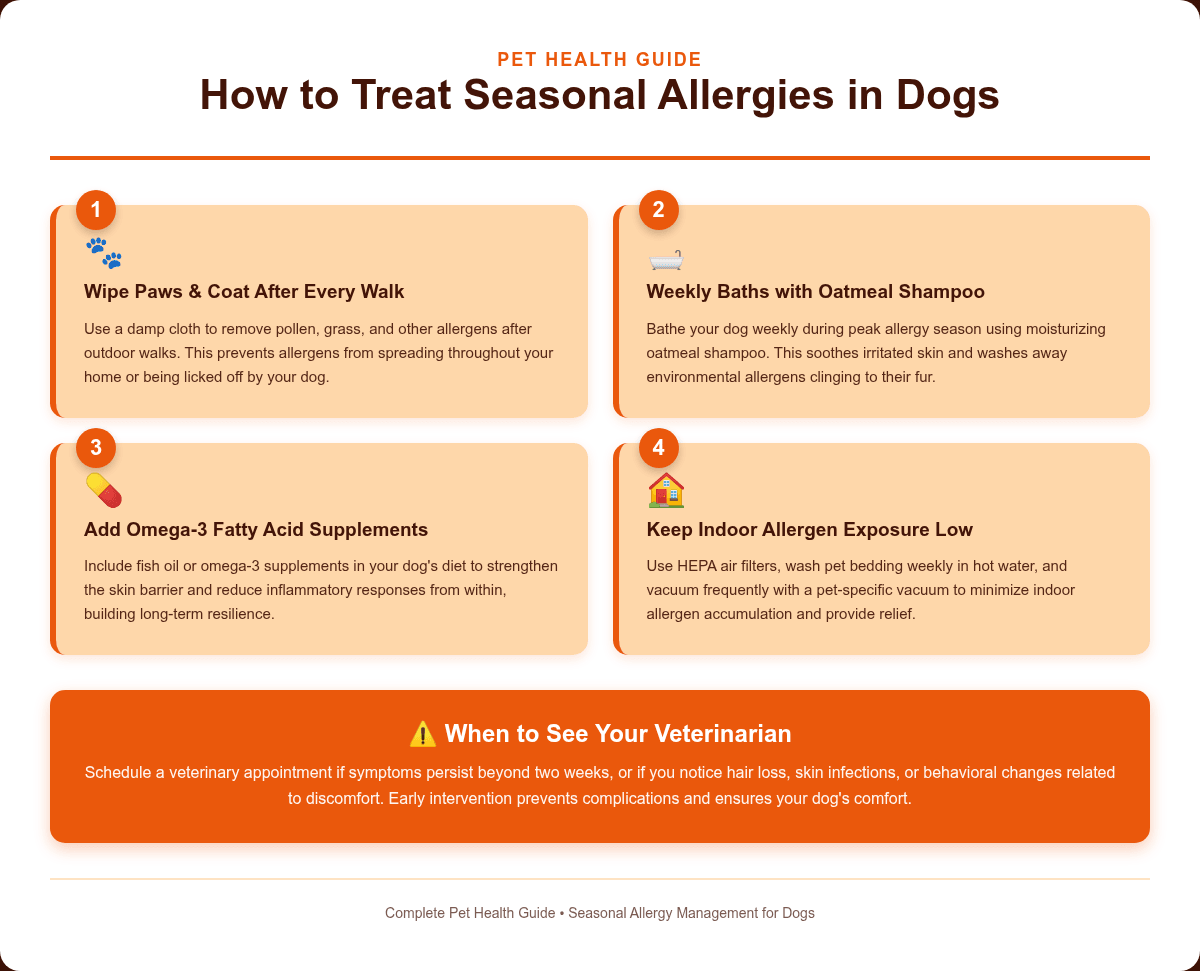
- Wipe your dog’s paws and coat with a damp cloth after every outdoor walk to remove pollen, grass, and other allergens before they spread throughout your home or get licked off
- Bathe your dog weekly with moisturizing oatmeal shampoo during peak allergy season to soothe irritated skin and wash away environmental allergens clinging to their fur
- Add fish oil or omega-3 fatty acid supplements to your dog’s diet to strengthen the skin barrier and reduce inflammatory responses from within
- Schedule a veterinary appointment if symptoms persist beyond two weeks or if you notice hair loss, skin infections, or behavioral changes related to discomfort
- Keep indoor allergen exposure low by using HEPA air filters, washing pet bedding weekly in hot water, and vacuuming frequently with a pet-specific vacuum
Understanding Your Dog’s Seasonal Allergy Struggle
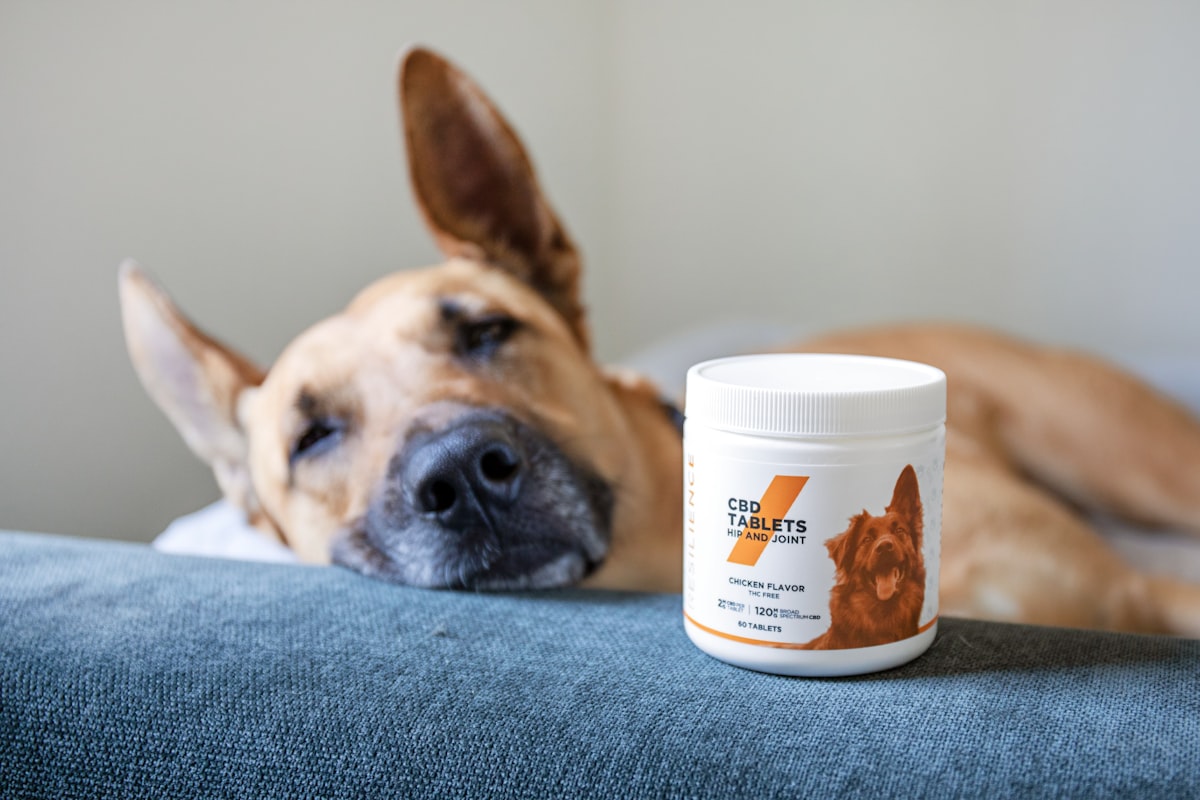
Picture this: spring finally arrives, the trees are budding, and you’re excited to spend more time outdoors with your furry companion. But instead of enjoying those longer walks, your dog starts scratching relentlessly, rubbing their face on the carpet, and waking you up at night with constant licking sounds. If this scenario sounds familiar, you’re not alone. Seasonal allergies affect countless dogs every year, transforming what should be pleasant seasons into months of discomfort for our four-legged family members.
The challenging part about canine seasonal allergies is that they’re often more distressing than human allergies. While we might sneeze and reach for a tissue, dogs experience intense itching that can drive them to scratch until they damage their skin. According to Dr. Moran Tal-Gavriel, head of veterinary nutrition at Open Farm, this persistent itching manifests as scratching, licking, chewing, or rubbing—behaviors that can become so compulsive they affect your dog’s sleep, behavior, and overall quality of life. Understanding what’s happening to your pet and knowing how to help them can make the difference between suffering through allergy season and managing it successfully.
Recognizing When Your Dog Is Struggling With Allergies
The first step in helping your dog is recognizing that they’re dealing with allergies rather than some other skin condition. Many pet owners miss the early signs or attribute them to normal dog behavior, but there are specific patterns to watch for.
Persistent itching stands out as the most obvious indicator. You might notice your dog scratching the same spots repeatedly—often the paws, face, ears, armpits, or belly. Dr. Megan McCarthy, a veterinarian at Best Friends Animal Society, explains that symptoms extend well beyond simple itchiness. Dogs may develop noticeable skin redness, particularly in areas where the skin is thinner or more exposed. Some dogs will lick their paws so obsessively that the fur becomes stained reddish-brown from saliva.
As the condition progresses without treatment, more serious symptoms can emerge. Hair loss often appears in patches where your dog has been scratching or chewing most intensely. The skin may become inflamed, taking on an angry red appearance or developing a thickened, leathery texture in chronic cases. One telltale sign that many owners notice is a change in their dog’s skin odor—a musty or yeasty smell that develops when secondary bacterial or yeast infections take hold in skin that’s been compromised by constant scratching.
Ear problems frequently accompany seasonal allergies in dogs. You might observe your dog shaking their head more than usual, scratching at their ears, or developing discharge and odor from the ear canals. McCarthy notes that repeated skin and ear infections are common complications, creating a cycle where the allergic reaction opens the door for opportunistic infections that then require their own treatment.
What makes diagnosing seasonal allergies particularly tricky is that these symptoms aren’t unique to environmental allergens. As Tal-Gavriel points out, the symptoms can overlap with food allergies, flea allergies, and other skin conditions, making proper veterinary diagnosis essential before you settle on a treatment plan.
What’s Actually Triggering Your Dog’s Allergic Response
Understanding the enemy helps you fight it more effectively. Seasonal allergies in dogs are typically triggered by environmental factors that fluctuate throughout the year, though the specific triggers can vary by geographic location and climate.
The most common culprits are pollen from grass, trees, and weeds. Spring brings tree pollen from oak, birch, cedar, and pine trees. Summer ushers in grass pollens, while late summer and fall introduce weed pollens, particularly ragweed. Mold spores also play a significant role, especially in damp climates or during rainy seasons when mold growth flourishes both outdoors and indoors.
Some dogs also react to dust mites or other indoor allergens, which can make their symptoms persist year-round or worsen when they spend more time indoors during extreme weather. This overlap between seasonal and environmental allergies can blur the lines and make it seem like your dog never gets relief.
McCarthy explains that pet allergies generally fall into three categories: flea allergies, food allergies, and atopy. Atopy—or atopic dermatitis—is the medical term for the condition most seasonal allergies fall under. It’s defined as a genetic predisposition to having an elevated immune response to environmental allergens, combined with an impaired skin barrier that’s less effective at keeping those allergens out. This means that some dogs are simply more susceptible to developing allergies based on their genetics and breed, with certain breeds like Golden Retrievers, Bulldogs, and Terriers showing higher predisposition.
Tal-Gavriel emphasizes that canine atopic dermatitis isn’t just a surface-level problem—it’s a chronic, inflammatory disease that can affect multiple aspects of your dog’s life, from physical comfort to sleep quality and even behavioral patterns. Dogs suffering from severe allergies may become irritable, anxious, or depressed due to constant discomfort.
Immediate Relief Strategies You Can Implement at Home
While veterinary care remains essential for managing allergies effectively, there’s plenty you can do at home to provide immediate relief and reduce your dog’s exposure to allergens. These practical steps can be implemented right away and often make a noticeable difference within days.
Start by establishing a post-walk routine that removes allergens before they become a problem. After every outdoor excursion, wipe down your dog’s entire body with a damp cloth or pet wipes, paying special attention to the paws, belly, and face—areas that have the most contact with grass and ground-level allergens. This simple five-minute routine prevents your dog from spreading pollen throughout your home and, more importantly, stops them from licking allergens off their fur and ingesting them.
Regular bathing becomes crucial during allergy season. McCarthy recommends using a moisturizing oatmeal shampoo, which serves double duty by removing allergens from the coat while soothing irritated skin. Weekly baths work well for most dogs during peak allergy periods, though you should be cautious about over-bathing, which can strip natural oils and potentially worsen dryness. The key is finding the right balance for your individual dog. When bathing, let the shampoo sit on the skin for five to ten minutes before rinsing to allow the soothing ingredients to penetrate and the water to help loosen pollen particles.
Dietary supplements can provide relief from the inside out. Fish oil and omega-3 fatty acid supplements have anti-inflammatory properties that support skin health and may reduce the severity of allergic reactions. Tal-Gavriel particularly emphasizes these supplements as they help strengthen the skin barrier—one of the key defenses that’s compromised in dogs with atopy. Results typically take several weeks to become noticeable, so patience and consistency are important.
Your home environment plays a significant role in your dog’s symptom severity. Keep your living space as allergen-free as possible by running HEPA air filters in rooms where your dog spends the most time. Wash your dog’s bedding weekly in hot water to eliminate accumulated allergens. Vacuum frequently using a vacuum designed for pet owners, and consider keeping your dog out of the bedroom during severe allergy season to create at least one allergen-reduced sanctuary for nighttime relief.
Some natural remedies show promise for certain dogs, though evidence varies. Nettle and licorice root are herbs often used to treat seasonal allergies in both humans and pets, with nettle acting as a natural antihistamine. However, always consult your veterinarian before introducing herbal supplements, as some can interact with medications or may not be appropriate for dogs with certain health conditions.
Professional Veterinary Treatments That Actually Work
When home care isn’t providing adequate relief, or if symptoms are moderate to severe from the start, veterinary intervention becomes necessary. Modern veterinary medicine offers numerous effective treatment options that can dramatically improve your dog’s quality of life.
Anti-itch medications form the frontline of veterinary allergy treatment. Your veterinarian might prescribe antihistamines like Benadryl (diphenhydramine), Zyrtec (cetirizine), or Claritin (loratadine). The appropriate dosage depends entirely on your dog’s weight and individual needs, which is why you should never administer these medications without veterinary guidance, despite them being available over-the-counter for humans. Some dogs respond well to one antihistamine but not others, so finding the right match may require some trial and error.
For more severe cases, veterinarians might prescribe Apoquel (oclacitinib) or Cytopoint (lokivetmab), two modern medications specifically developed for canine allergies. Apoquel is an oral tablet that works by blocking the itch signal at the source, typically providing relief within hours. Cytopoint is an injectable medication that lasts four to eight weeks per dose and works by neutralizing a specific protein involved in triggering the itch response. Both options have proven highly effective with relatively few side effects compared to older steroid-based treatments.
Topical treatments also play an important role, particularly for localized problem areas. Medicated sprays, creams, or mousses containing hydrocortisone or other anti-inflammatory ingredients can soothe hot spots and areas of intense irritation. Regular ear cleanings become essential for dogs prone to ear infections, as keeping the ear canals clean and dry prevents the moist, inflamed environment where bacteria and yeast thrive.
When infections develop—and they frequently do with allergies—antibiotics or antifungal medications become necessary. These treat the secondary infections but don’t address the underlying allergy, which is why they’re used in conjunction with allergy management rather than as standalone solutions.
For dogs with severe, year-round allergies, immunotherapy (allergy shots) represents a long-term solution. After allergy testing identifies specific triggers, custom injections are formulated to gradually desensitize your dog’s immune system. This treatment requires patience—it can take six months to a year to see full results—but offers the possibility of significantly reducing or even eliminating symptoms without lifelong medication.
Critical Mistakes and Warning Signs to Watch For
Managing your dog’s allergies successfully means avoiding common pitfalls while staying alert for signs that the situation is worsening and requires more aggressive intervention.
One of the biggest mistakes pet owners make is waiting too long before seeking veterinary help. If your dog’s symptoms persist beyond two weeks despite home care measures, it’s time to schedule an appointment. The longer allergies go untreated, the more damage occurs to the skin barrier, creating a vicious cycle where the impaired skin allows more allergens to penetrate, triggering stronger reactions.
Never use human topical medications on your dog without explicit veterinary approval. Products containing ingredients like zinc oxide, tea tree oil, or various essential oils can be toxic to dogs. Even seemingly harmless products can cause problems—for instance, some human moisturizing lotions contain ingredients that, while safe for us, can cause digestive upset if licked off by a dog.
Watch carefully for signs of secondary infections, which require prompt veterinary attention. Red flags include areas of skin that are hot to the touch, oozing discharge, a sudden worsening of odor, or your dog showing signs of pain when you touch previously irritated areas. Behavioral changes like increased aggression, depression, or loss of appetite can also indicate that your dog is suffering more than their physical symptoms suggest.
Over-bathing represents another common mistake. While regular bathing helps, bathing more than once or twice weekly can strip your dog’s skin of protective natural oils, paradoxically worsening the dryness and irritation you’re trying to treat. If you feel your dog needs more frequent cleansing, use plain water rinses between shampoo baths, or switch to a very gentle, soap-free cleanser.
Don’t assume all scratching and itching is “just allergies” without ruling out other causes. Mange, fleas, food allergies, hormonal imbalances, and various skin infections can all produce similar symptoms. Proper diagnosis ensures you’re treating the actual problem rather than wasting time and money on ineffective solutions.
Treatment Approaches at a Glance
| Treatment Type | How It Works | Typical Timeline for Results | Best Used For |
|---|---|---|---|
| Oatmeal Baths | Soothes skin and removes allergens | Immediate temporary relief | Mild to moderate symptoms, all severity levels as supportive care |
| Fish Oil Supplements | Reduces inflammation and strengthens skin barrier | 4-8 weeks | Mild to moderate symptoms, long-term management |
| Antihistamines | Blocks histamine receptors to reduce itching | 1-2 hours (if effective) | Mild to moderate symptoms during peak seasons |
| Apoquel | Blocks JAK enzymes that trigger itch signals | 4-24 hours | Moderate to severe symptoms requiring fast relief |
| Cytopoint Injections | Neutralizes IL-31 protein that causes itching | 1-3 days, lasts 4-8 weeks | Moderate to severe symptoms, owners who prefer non-daily medication |
| Immunotherapy | Desensitizes immune system to specific allergens | 6-12 months | Severe, year-round allergies when long-term solution is desired |
| Medicated Shampoos | Treats secondary infections and soothes skin | Varies with specific ingredient | Concurrent skin infections, moderate to severe symptoms |
Frequently Asked Questions
How do I help my dog naturally with seasonal allergies?
Natural management starts with reducing your dog’s allergen exposure through practical daily habits. Wipe down your dog’s coat and paws after outdoor time with a damp cloth, and establish a weekly bathing routine with moisturizing oatmeal shampoo during peak allergy seasons. Adding omega-3 fatty acid or fish oil supplements to their diet provides anti-inflammatory benefits that support skin health from within, though results typically take four to eight weeks to become noticeable. Natural antihistamine herbs like nettle can be helpful for some dogs, but always consult your veterinarian before introducing any supplements to ensure they’re safe and appropriate for your specific pet. Keeping your home environment clean with HEPA filters and frequent vacuuming also reduces indoor allergen accumulation. While these natural approaches work well for mild allergies, more severe cases usually require veterinary medications for adequate relief.
How do vets treat seasonal allergies in dogs?
Veterinarians typically use a multi-pronged approach tailored to your dog’s specific symptoms and severity level. For mild cases, they might recommend prescription-strength antihistamines along with regular bathing and topical treatments. Moderate to severe allergies often require medications like Apoquel or Cytopoint injections, which target the immune pathways causing itching and provide more reliable relief than antihistamines alone. When secondary skin or ear infections develop, vets prescribe antibiotics or antifungal medications to address those complications. They also provide medicated shampoos and ear cleaners for ongoing management. For dogs with severe, year-round symptoms, veterinarians may recommend allergy testing followed by immunotherapy—custom-formulated allergy shots that gradually desensitize your dog’s immune system to specific triggers over the course of six to twelve months. The treatment plan evolves based on your dog’s response and changing needs throughout different seasons.
What is the most powerful natural antihistamine for dogs?
Nettle (Urtica dioica) is considered one of the most effective natural antihistamines for dogs, with a long history of use in both human and veterinary herbal medicine. Nettle works by naturally stabilizing mast cells and reducing the release of histamine in response to allergens. Another strong option is licorice root, which has both antihistamine and anti-inflammatory properties. However, it’s crucial to understand that “natural” doesn’t automatically mean “powerful” or “safe.” Natural remedies typically produce milder effects than pharmaceutical antihistamines or modern allergy medications like Apoquel. They work best for mild allergies or as complementary support alongside other treatments. Additionally, some natural supplements can interact with medications or may not be safe for dogs with certain health conditions—licorice root, for example, shouldn’t be used in dogs with high blood pressure or heart conditions. Always consult your veterinarian before starting any herbal supplements to ensure proper dosing and safety for your individual dog.
When should I be worried about my dog’s seasonal allergies?
Seek veterinary attention immediately if you notice signs of infection, including areas of skin that are hot, swollen, oozing discharge, or smell unusually foul. Hair loss, especially in large patches or if the skin underneath appears damaged or thickened, warrants professional evaluation. Behavioral changes such as loss of appetite, increased aggression due to discomfort
Disclaimer: This article is for informational purposes only and is not a substitute for professional veterinary advice. Always consult your vet for your pet’s health concerns.
Source: MSN · 6 days ago