
Quick Summary
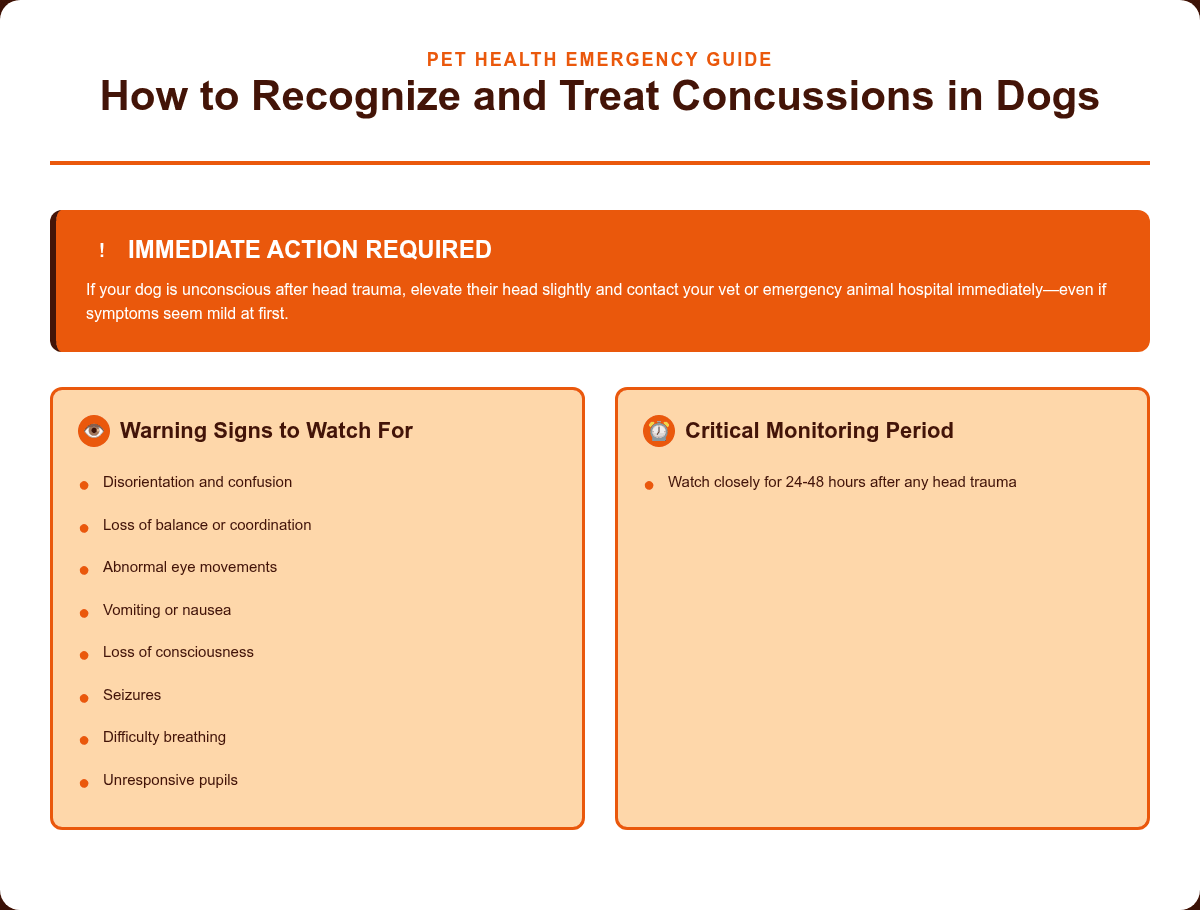
- Dog concussion symptoms include disorientation, loss of balance, abnormal eye movements, vomiting, and loss of consciousness—watch for these signs within the first 24-48 hours after any head trauma
- Immediately elevate your dog’s head slightly if they’re unconscious and contact your vet or emergency animal hospital, even if symptoms seem mild at first
- Veterinary treatment may include IV fluids, oxygen therapy, anti-inflammatory medications, pain management, and in severe cases, surgery to address brain swelling
- Never give human pain medications like ibuprofen or acetaminophen to your dog, as these can be toxic and worsen the situation
- Monitor your dog closely for 24-48 hours after head trauma, restricting activity and watching for worsening symptoms like seizures, difficulty breathing, or unresponsive pupils
- Most dogs with mild concussions recover fully within days to weeks with proper rest and veterinary care, though severe cases may require hospitalization and intensive treatment
Overview
Every dog owner dreads that moment when their beloved pet takes a tumble down the stairs, collides with another dog at the park, or accidentally runs into a wall at full speed. Your heart stops, and you rush to check if they’re okay. While dogs are remarkably resilient creatures, head injuries can be serious, and knowing how to recognize dog concussion symptoms can make the difference between swift recovery and long-term complications.
The challenge with canine concussions is that our dogs can’t tell us their heads hurt or that they’re seeing double. They rely on us to notice the subtle changes in their behavior and physical state. Unlike human medicine where concussion protocols are well-established, many pet owners don’t know what to look for or when a bump on the head warrants emergency veterinary care. This uncertainty can be frightening, especially when you’re wondering whether that seemingly minor accident might have caused serious brain trauma.
Understanding the signs of a concussion, knowing what immediate steps to take, and learning when professional intervention is necessary can help you act confidently and quickly when your dog experiences head trauma. Let’s walk through everything you need to know to protect your furry companion.
Recognizing Dog Concussion Symptoms
The first few hours after a head injury are critical for identifying concussion symptoms in your dog. Unlike some injuries that develop gradually, concussion signs often appear immediately or within the first several hours after the incident. You might notice your normally coordinated dog suddenly stumbling around the house as if they’ve forgotten how to walk properly. This loss of balance and coordination is one of the most telling signs that something isn’t right.
Disorientation is another hallmark symptom that manifests in various ways. Your dog might walk into walls they’ve successfully navigated for years, seem confused about where they are, or fail to recognize familiar people or surroundings. Some dogs will stand in corners or stare blankly at walls, appearing lost in their own home. This cognitive confusion signals that the brain has experienced trauma and isn’t processing information normally.
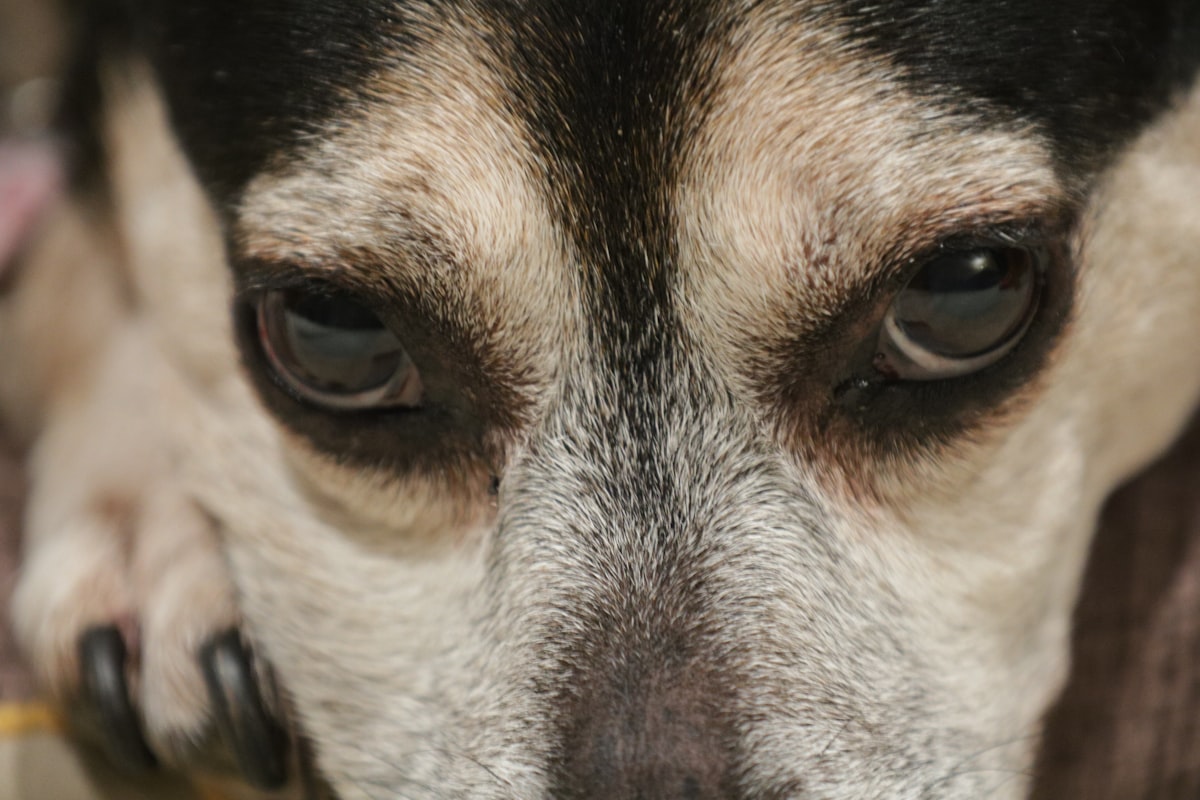
Eye abnormalities provide crucial clues about brain injury. Watch for pupils that are different sizes from each other, rapid involuntary eye movements (called nystagmus), or eyes that don’t track movement properly. According to the American Veterinary Medical Association, abnormal eye movements or unequal pupil sizes are red flags that require immediate veterinary attention. Your dog might also squint excessively or show sensitivity to light that wasn’t present before the injury.
Vomiting or nausea often accompanies concussions, particularly within the first few hours. While dogs vomit for many reasons, when it occurs shortly after head trauma, it shouldn’t be dismissed. You might also notice your dog refusing food or water, drooling excessively, or repeatedly swallowing as if they’re nauseated. These gastrointestinal symptoms indicate that the brain’s equilibrium centers have been disrupted.
Loss of consciousness, even briefly, is always serious. If your dog collapses, becomes unresponsive, or seems unconscious for any length of time after hitting their head, this constitutes a veterinary emergency. Some dogs may only lose consciousness for a few seconds before seemingly recovering, but any loss of consciousness indicates significant brain trauma that requires professional evaluation.
Behavioral changes can be more subtle but equally concerning. A normally energetic dog might become lethargic and want only to sleep. Conversely, some dogs become unusually agitated or aggressive, snapping at family members they typically adore. Changes in vocalization—whimpering, crying, or unusual silence from a normally vocal dog—also warrant attention. These personality shifts reflect the brain’s struggle to function normally after injury.
Immediate Actions After Head Trauma
The moments immediately following a head injury are when your actions matter most. If your dog is unconscious or showing signs of shock, carefully elevate their head slightly to maintain proper blood flow to the brain. However, be gentle and avoid moving their neck too much if you suspect they might have a spinal injury in addition to the head trauma. Think of it like handling a human car accident victim—stabilization before movement is key.
Contact your veterinarian or emergency animal hospital immediately, even if your dog seems relatively okay. Early diagnosis allows for timely treatment that can potentially save your pet’s life, according to veterinary emergency specialists. Don’t adopt a “wait and see” approach with head injuries. While you’re calling the vet, keep your dog calm and quiet. Excited movement or stress can increase blood pressure and potentially worsen brain swelling.
During transport to the veterinary clinic, keep your dog as still as possible. If you have someone who can drive while you comfort and monitor your pet, that’s ideal. Continue watching for changes in breathing patterns, consciousness level, or symptoms worsening. Note the time the injury occurred and document what you observe—this information helps veterinarians assess the severity and progression of the concussion.
Create a calm, dimly lit environment for your dog while awaiting veterinary care. Loud noises and bright lights can exacerbate concussion symptoms, just as they do in humans. If your dog is conscious and seems thirsty, you can offer small amounts of water, but don’t force them to drink or eat anything. Some concussed dogs have difficulty swallowing, and you don’t want to create a choking hazard.
What Veterinarians Do for Dog Concussions
When you arrive at the veterinary clinic, the medical team will conduct a thorough neurological examination. The vet will assess your dog’s consciousness level, check pupil responses to light, test reflexes, and evaluate coordination and balance. They’ll ask detailed questions about the incident—how your dog hit their head, whether they lost consciousness, and what symptoms you’ve observed. This comprehensive assessment helps determine the concussion’s severity and guides treatment decisions.
Diagnostic imaging may be necessary for moderate to severe cases. While not every concussed dog requires advanced imaging, CT scans or MRIs can reveal brain swelling, bleeding, or skull fractures that aren’t visible externally. According to the American Animal Hospital Association, these imaging tools are invaluable for planning appropriate treatment when brain injury is suspected. X-rays might also be taken to check for skull fractures or other skeletal injuries.
Treatment is administered on a case-by-case basis depending on your dog’s specific symptoms and the injury’s severity. Intravenous fluid therapy is common, helping maintain proper hydration and blood pressure while supporting overall brain function. If needed, the vet could evaluate your pet and immediately treat it with IV fluids, pain medication, anti-inflammatory medication, oxygen, diuretics to reduce brain swelling, or other supportive care measures tailored to your dog’s condition.
Oxygen therapy supports dogs showing respiratory distress or inadequate oxygen levels. Supplementary oxygen ensures the brain receives adequate oxygenation during the critical recovery period, though not every dog with a concussion requires this intervention. Pain management is also crucial—concussions hurt, and keeping your dog comfortable reduces stress that could complicate recovery.
In severe cases involving significant brain swelling or bleeding, surgery may be necessary. Surgical intervention might involve relieving pressure on the brain or addressing bleeding that medication alone cannot control. While this represents the most serious tier of treatment, it can be life-saving when conservative management isn’t sufficient. Hospitalization for observation is common with moderate to severe concussions, allowing veterinary staff to monitor for deterioration and adjust treatment as needed.
Important Considerations During Recovery
The recovery period following a concussion demands vigilance and patience from pet owners. For the first 24-48 hours after head trauma, your dog requires close monitoring, even if they received veterinary treatment and seem improved. Brain injuries can evolve, and symptoms may worsen before they improve. Keep a written log of your observations—eating, drinking, bathroom habits, energy levels, and any concerning behaviors. This documentation helps you spot troubling patterns and provides valuable information if you need to contact your vet again.
Restrict your dog’s activity during recovery. This isn’t the time for dog park visits, vigorous play sessions, or long walks. Think complete rest—short bathroom breaks on a leash, then back to a quiet, comfortable resting spot. Just as human concussion patients need physical and cognitive rest, dogs heal faster when their brains aren’t taxed with normal activities. Many owners underestimate this requirement and inadvertently delay their dog’s recovery by allowing too much stimulation too soon.
One critical mistake is administering human pain medications. Never give your dog ibuprofen, acetaminophen, aspirin, or any over-the-counter pain reliever without explicit veterinary approval. These medications can be toxic to dogs and may worsen brain injury by affecting blood clotting or causing organ damage. If your vet hasn’t prescribed pain medication, that’s intentional—some mild discomfort might actually discourage your dog from overexerting themselves during recovery.
Watch for deteriorating symptoms that indicate complications. Seizures, difficulty breathing, bleeding from the nose or ears, non-responsive or fixed pupils, and sudden collapse all warrant immediate emergency care. Even if your dog seemed to be recovering well, these signs suggest the brain injury is worsening or has caused secondary problems. Don’t hesitate to return to the veterinary clinic if you’re concerned—it’s better to err on the side of caution with neurological injuries.
The recovery timeline varies considerably based on concussion severity. Mild concussions may resolve within several days, with dogs returning to normal activity within a week. Moderate concussions typically require 2-3 weeks of restricted activity and careful monitoring. Severe concussions might need months for complete recovery, and some dogs may have permanent neurological changes. Your veterinarian will provide specific guidance on when to gradually reintroduce normal activities based on your dog’s progress.
Concussion Severity and Expected Treatment
| Severity Level | Common Symptoms | Typical Veterinary Treatment | Expected Recovery Time | Activity Restrictions |
|---|---|---|---|---|
| Mild | Brief disorientation, slight imbalance, mild lethargy | Physical exam, monitoring instructions, possible pain medication | 3-7 days | Minimal activity for 5-7 days, gradual return to normal |
| Moderate | Vomiting, pronounced imbalance, abnormal eye movements, confusion lasting hours | IV fluids, anti-inflammatory drugs, pain management, possible hospitalization for 24-48 hours | 2-3 weeks | Strict rest for 2 weeks, leash walks only for bathroom breaks |
| Severe | Loss of consciousness, seizures, unresponsive pupils, severe disorientation, bleeding | Hospitalization, oxygen therapy, IV medications, possible surgery, intensive monitoring | Weeks to months, possible permanent effects | Complete rest for several weeks, very gradual activity reintroduction under vet supervision |
Preventing Future Head Injuries
While accidents happen, understanding common causes of canine head injuries can help you minimize risks. Falls from heights—whether furniture, decks, or car tailgates—account for many concussions, especially in smaller dogs who don’t judge distances well. If your dog enjoys perching on high surfaces, consider training them to avoid these spots or providing safer alternatives at ground level.
Car accidents represent another significant cause of head trauma. Never allow your dog to ride unrestrained in vehicles. A proper dog seatbelt or secured crate can prevent your pet from being thrown during sudden stops or collisions. The few minutes it takes to properly restrain your dog could prevent catastrophic injuries, including concussions.
Dog-on-dog collisions during play are surprisingly common causes of head injuries. While we want our dogs to socialize and have fun, rough play can escalate quickly. Watch for overly exuberant dogs who don’t regulate their play intensity, and don’t hesitate to intervene if playtime becomes too rough. Head-on collisions between running dogs can generate significant force.
Home hazards like slippery floors might seem innocuous but can lead to falls and head injuries, particularly in older dogs or certain breeds prone to coordination issues. Area rugs, non-slip mats, and keeping floors dry reduce these risks. Similarly, ensure your home environment doesn’t have sharp corners at dog head-height where an excited pet might injure themselves during play.
Frequently Asked Questions
What will a vet do for a dog concussion?
Veterinarians will first conduct a comprehensive neurological examination to assess the severity of the concussion, checking pupil responses, reflexes, and consciousness levels. Treatment typically includes IV fluids for hydration and blood pressure support, anti-inflammatory medications to reduce brain swelling, pain management, and potentially oxygen therapy if respiratory issues develop. In severe cases, surgery may be necessary to address brain bleeding or dangerous swelling, and hospitalization allows for continuous monitoring during the critical recovery period.
How do I know if my dog is ok after hitting his head?
Monitor your dog closely for at least 24-48 hours after any head impact, watching for warning signs like disorientation, loss of balance, vomiting, abnormal eye movements, or changes in behavior. A dog who continues eating normally, maintains balance, shows normal pupil responses to light, and displays their usual personality is likely okay, though you should still inform your veterinarian about the incident. However, if you notice any concerning symptoms—even mild ones—contact your vet immediately, as concussion symptoms can worsen over time.
Can a dog with a concussion sleep?
Yes, concussed dogs will sleep and often need extra rest for healing, but you should periodically wake your dog to check their responsiveness during the first 24 hours after injury. The outdated advice about keeping concussion victims awake no longer applies in veterinary medicine—sleep supports healing. However, you want to ensure your dog can be roused and remains oriented when awakened, as difficulty waking or extreme confusion indicates a worsening condition requiring emergency care.
How long does it take for a dog to recover from a concussion?
Recovery time depends entirely on the concussion’s severity, with mild concussions typically resolving within 3-7 days, moderate cases requiring 2-3 weeks, and severe concussions potentially taking months. Most dogs with appropriate veterinary care and proper rest make full recoveries, though some severe cases may result in permanent neurological changes. Your veterinarian will provide a more specific timeline based on your dog’s symptoms, examination findings, and response to initial treatment.
Final Thoughts
The single most important thing to remember about dog concussion symptoms is that they shouldn’t be ignored or dismissed, no matter how minor the head impact seemed. Your dog depends on you to recognize when something isn’t right and to seek appropriate medical care. While it’s natural to hope that everything is fine after an accident, brain injuries are one situation where cautious overreaction is far better than risky underreaction. Trust your instincts—if your dog doesn’t seem quite right after hitting their head, make that call to your veterinarian. Early intervention not only improves outcomes but also gives you peace of mind that you’ve done everything possible to protect your loyal companion. With proper care, most dogs recover fully from concussions and return to their happy, tail-wagging selves.
This article is for informational purposes only and does not constitute veterinary medical advice. Always consult with a licensed veterinarian for diagnosis and treatment of any suspected head injury or concussion in your pet. If your dog has experienced head trauma, contact your veterinarian or emergency animal hospital immediately.
Disclaimer: This article is for informational purposes only and is not a substitute for professional veterinary advice. Always consult your vet for your pet’s health concerns.
Source: ABC News – Breaking News, Latest News and Videos · 5 days ago